How to Choose the Right Flexible Shell Laminates for Fishing Rods or Billiard Rods?
1. What Are Hard Shell Laminates?
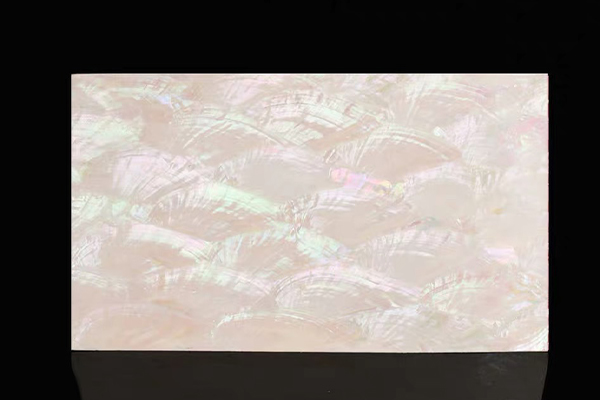
- Made from rigid, high-density shell veneers (e.g., abalone, mother-of-pearl).
- Typically thicker and less pliable, requiring boiling and rolling for shaping.
- Used for flat or mildly curved applications unless professionally manipulated.
- Strong visual impact with deep iridescence, ideal for luxury rod & cue accents.
2. What Are Flexible Shell Laminates?
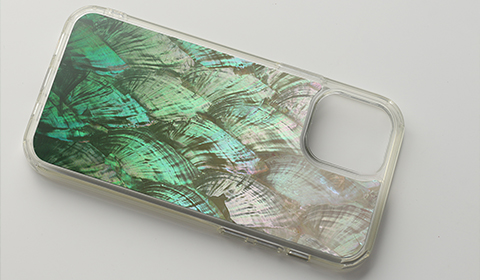
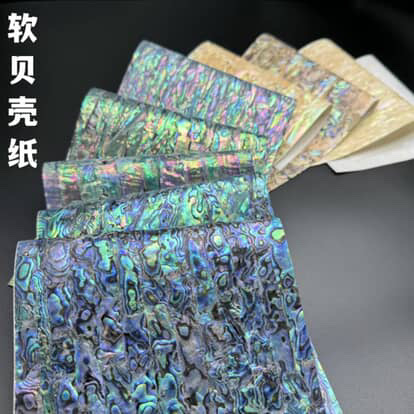
- Made from thin shell sheets (0.08–0.15mm) sliced into small, pre-curved segments.
- Naturally bendable, bonding smoothly to curved surfaces without heating.
- Features pre-cut micro-cracks (1–4mm width) for added conformity.
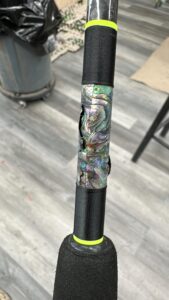
- Preferred for full-wrap rods/cues due to ease of application & durability.
3. The Difference Between Hard Shell and Flexible Shell Laminates
| Feature | Hard Shell Laminates | Flexible Shell Laminates |
|---|---|---|
| Thickness | Thicker (0.5–1.5mm+) | Thinner (0.08–0.15mm) |
| Flexibility | Requires boiling/rolling | Naturally bendable |
| Application | Flat/partial wraps | Full-wrap rods & cues |
| Skill Level | Advanced (manual shaping) | Beginner-friendly |
4. Why Some Shell Veneers Need to Be Boiled Before Use?
- Softens resin & fibers → Allows reshaping without cracking.
- Expands the veneer → Ensures tight adhesion when cooling.
- Essential for hard shell laminates → Makes them pliable for rolling.
- Not needed for flexible laminates → Pre-curved & pre-cracked for direct use.
5. 1–2mm vs. 3–4mm Crack Width in Flexible Shell Laminates
| Crack Width | Best For | Pros | Cons |
|---|---|---|---|
| 1–2mm | Full-wrap rods/cues | – Seamless fit on tight curves – No delamination risk | – Slightly more labor-intensive |
| 3–4mm | Fishing lures/flat accents | – Faster application – Bold visual texture | – May peel on high-flex areas |
6. Why Choose 1–2mm Crack Width for Rods & Cues?
- Smaller cracks = better flexibility → Follows curves without lifting.
- Resin tension distributes evenly → Prevents delamination under stress.
- More secure adhesion → Critical for high-motion applications (casting, striking).
- 3–4mm cracks risk peeling → Larger segments separate under flex.
7. Expert Tip: When to Use Each Type?
- Hard Shell Laminates:
- Best for custom inlays & expert makers who can boil and shape manually.
- Ideal if you prioritize deep, unbroken iridescence over ease.
- Flexible Shell Laminates:
- 1–2mm width cracks → Mandatory for full-length rod/cue wraps.
- 3–4mm width cracks → Safe only for flat sections or decorative lures.
Final Advice:
If you’re a beginner, stick with 1–2mm width cracks flexible laminates for rods/cues—they’re foolproof. Save hard shells for accents unless you’re skilled in thermal shaping!
This format balances technical clarity with practical decision-making guidance, making it useful for both hobbyists and professionals. Let me know if you’d like any section expanded! 🎣🎱