How to Choose the Right Shell Veneers for Fishing Lures and Rods
Shell veneers are widely used in fishing lures and rods to enhance their visual appeal underwater, mimicking natural baitfish scales. However, choosing the correct type is crucial for durability, flexibility, and aesthetics. Below, we explore the differences between hard and flexible shell veneers and guide you in making the best selection.
What Are Hard Shell Veneers?
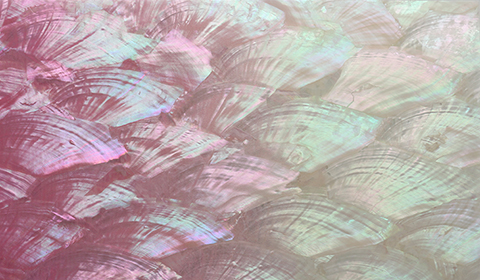
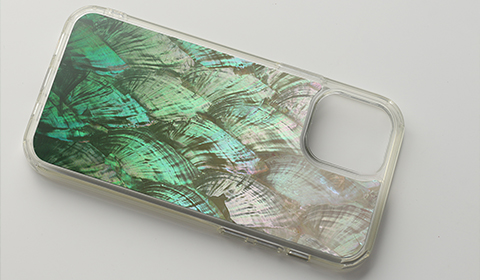
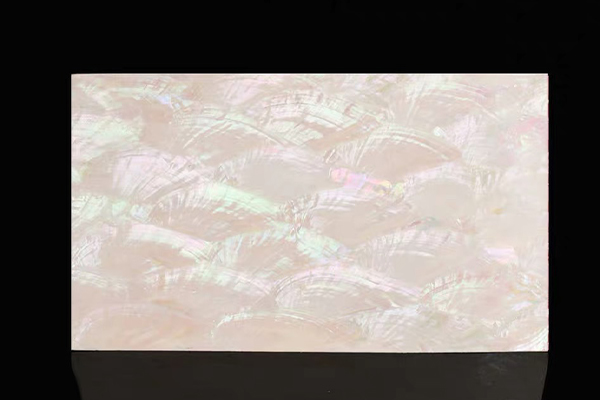
Hard shell veneers are solid, stiff pieces typically made from thicker layers of mother-of-pearl or abalone shells.
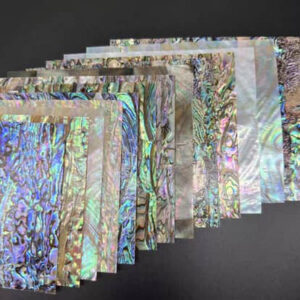
Hard or solid shell veneers
Pros:
✅ Highly durable and scratch-resistant
✅ Smooth, unblemished surface for a premium glossy look
✅ Retains shine longer underwater
Cons:
❌ Cannot bend or conform to curved surfaces
❌ May crack if forced onto rounded lures or rod handles
Best Use: Flat or minimally curved surfaces where a seamless finish is desired.
What Are Flexible Shell Veneers?
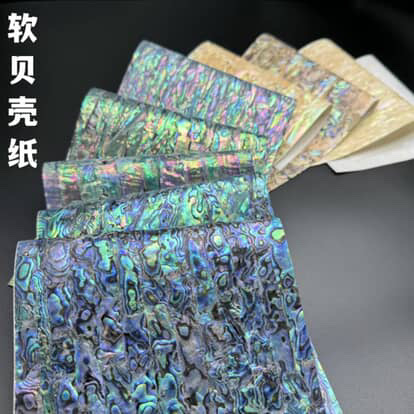
Flexible shell veneers consist of thinner shell layers bonded with flexible resin. If you zoom in, you’ll see tiny cracked particles—this micro-fracturing allows bending without breaking.
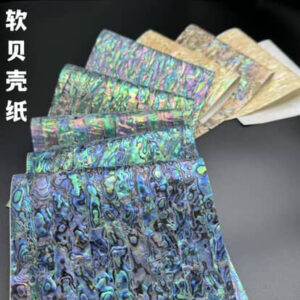
Flexible shell veneers
Pros:
✅ Can wrap tightly around curved lures and rod grips
✅ Easier to install on complex shapes
✅ Lightweight
Cons:
❌ Visible micro-cracks may affect high-end aesthetics
❌ Less durable than hard-shell alternatives
Best Use: Highly contoured lures, rod handles, or any application requiring bending.
Why Do Some Shell Veneers Need to Be Boiled Before Using?
Boiling shell veneers softens the natural binding agents in mother-of-pearl and abalone, making them temporarily pliable for wrapping around curved surfaces.
Key Points:
🔹 Softens the Material: Easier to shape without cracking.
🔹 Allows Hard Shells to Bend: Useful for anglers preferring hard-shell’s durability but needing flexibility.
🔹 Must Be Done Correctly: Over-boiling weakens the shell; under-boiling makes it snap back to rigidity.
⚠️ Caution: Requires skill—if improperly handled, the shell may break during application.
How to Choose the Right Shell Veneers?
| Factor | Hard Shell Veneers | Flexible Shell Veneers |
|---|---|---|
| Surface Type | Flat or slightly curved | Highly curved |
| Appearance | Smooth, glossy | Slightly textured (micro-cracks) |
| Durability | Very strong | Moderate |
| Skill Level Needed | Beginner-friendly | Moderate (for boiling method) |
Final Recommendation:
1️⃣ For Curved Surfaces: Use flexible shell veneers unless you’re okay with boiling hard shells (requires skill).
2️⃣ For Premium Finish: Hard shell veneers offer a flawless look but only work on flat surfaces.
3️⃣ Testing First: If uncertain, try boiling a small piece of hard shell veneer before committing to a full installation.
💡 Pro Tip: If possible, request sample veneers from suppliers to compare flexibility and finish before bulk purchase.
By selecting the right veneer type for your fishing gear, you can ensure durability, functionality, and a lifelike presentation that attracts more fish! 🎣✨