Why not buy stock flexible mother of pearl shell laminate?
Dreaming of MOP’s beauty but worried about quality? Stock laminate might seem convenient, but hidden degradation can ruin your project and waste money. Discover why fresh is best.
Stock flexible mother of pearl shell laminate is risky because the adhesive binding its tiny shell fragments degrades over time due to oxidation, leading to yellowing, brittleness, and eventual shedding of pieces, compromising its beauty and integrity.
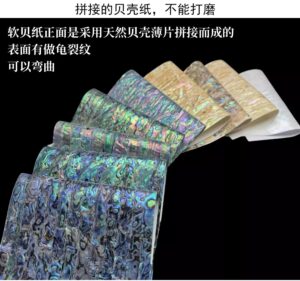
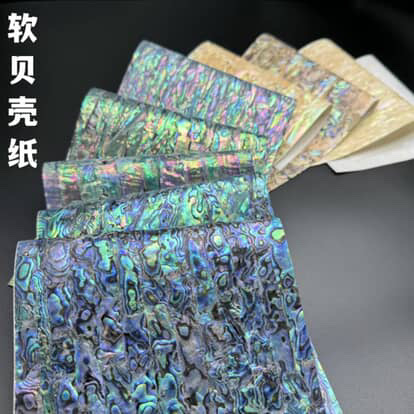
all kinds of flexibile mother of pearl shell lamiante
Flexible mother of pearl shell laminate offers a stunning way to incorporate natural shell beauty into various designs. However, the allure of readily available stock can sometimes mask potential issues related to its shelf life and the very nature of its construction. Understanding these factors is crucial before making a purchase to ensure you achieve the desired luxurious finish without future disappointment.
What is flexible mother of pearl shell laminate?
Unsure what "flexible" MOP laminate means? It’s not a solid shell sheet, and this difference is key. Define this unique material composition.
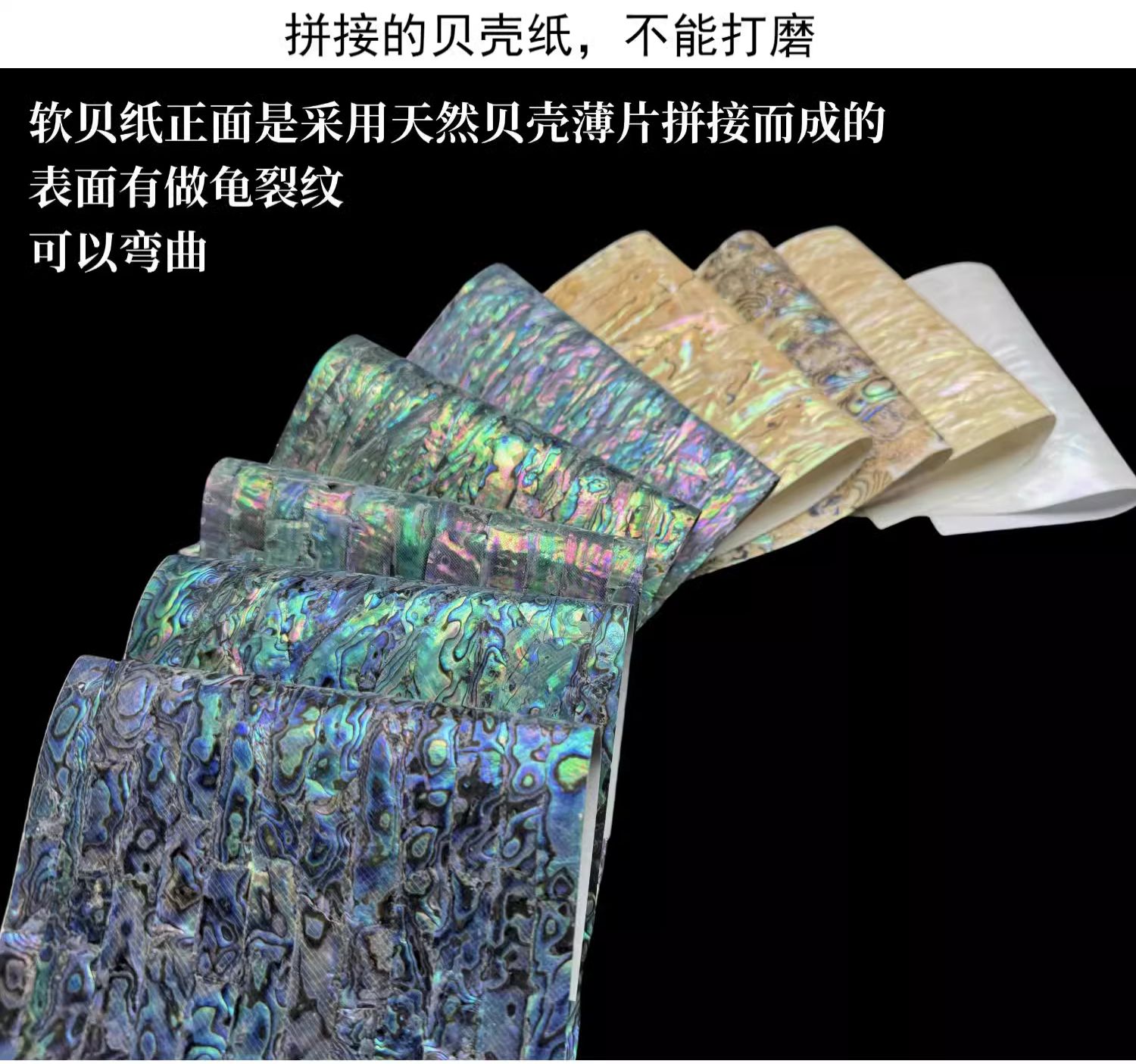
Flexible mother of pearl shell laminate is a decorative surface material made from thousands of tiny, often cracked, shell pieces meticulously arranged and bonded with a special adhesive onto a backing.

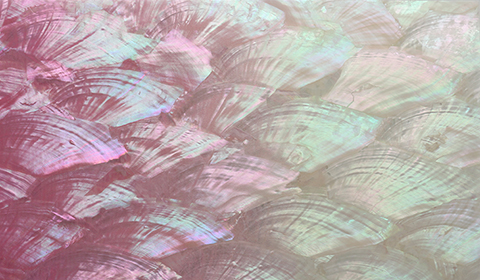
Flexibile angle wing shell veneer

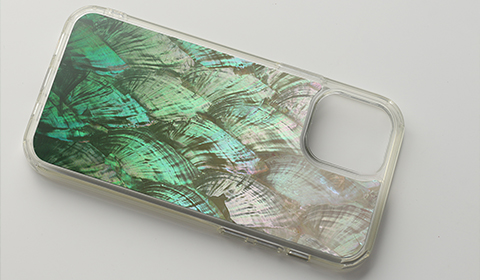
flexibile mexican shell laminate
Flexible mother of pearl (MOP) shell laminate, sometimes called shell paper, is distinct from rigid shell tiles or thicker veneers. Its defining characteristic is its pliability, allowing it to conform to curved surfaces. This flexibility is achieved because, as your insight states, "flexibile mother of pearl shell laminate are made of thousands of small crack shell cracks." These tiny shell crack particles are carefully pieced together like a mosaic. The "cracks" refer to the small, individual segments that, when assembled, create the overall pattern and iridescence. This intricate assembly relies heavily on the adhesive used to bind these countless small pieces together and to the backing material, making it a delicate yet beautiful product.
How is mother of pearl shell laminate made?
Curious how these tiny shell pieces form a sheet? The intricate assembly process holds the key to both its beauty and its vulnerability. Unveil its delicate construction.
Flexible MOP laminate is made by adhering thousands of small, thin shell fragments onto a backing sheet with specialized glue, then pressing and finishing them into a cohesive, flexible surface.
The production of flexible mother of pearl shell laminate is a detailed process that emphasizes the assembly of many small components. It begins with sourcing and processing raw shells into very thin, small pieces – essentially the "thousands of small crack shell cracks" you mentioned. These pieces are then painstakingly arranged, often by hand or with semi-automated assistance, into desired patterns on a backing material (which might be adhesive itself or require a separate glue application).
The crucial step is the application of "the special glue" that holds these tiny shell crack particles together and bonds them to the backing. The sheet is then pressed to ensure adhesion and a smooth surface, followed by any necessary polishing or finishing. The reliance on glue to bind a multitude of tiny, individual pieces is fundamental to its flexibility but also central to its potential degradation over time if the laminate is stored for too long.
How long can stock flexible mother of pearl shell laminate be kept?
Considering stock MOP laminate? Its delicate nature raises concerns about shelf life and potential degradation before you even use it. Discover its optimal lifespan now.
Generally, newly made flexible MOP shell laminate should ideally be used within six months. Beyond this, the adhesive can degrade, leading to visible deterioration and material failure.
The shelf life of flexible mother of pearl shell laminate is a critical consideration, and your insights provide a clear warning. You explain: As time passes, the glue on the shell paper will become increasingly yellow due to oxidation. This oxidation doesn’t just affect the appearance; it compromises the structural integrity of the laminate.
The Degradation Process:
- Oxidation of Adhesive: The "special glue" used to bind the "thousands of small crack shell cracks" is susceptible to environmental factors, primarily oxygen.
- Yellowing: The initial visible sign of this degradation is often a yellowing of the adhesive, which can dull the natural vibrancy of the mother of pearl.
- Loss of Adhesion: More critically, And the dried glue, also due to oxidation, cannot firmly hold these small shell crack particles. The adhesive becomes brittle and loses its bonding strength.
- Shedding of Particles: Consequently, After a certain time, these small shell cracks will gradually fall off.
- Aesthetic Ruin: The result is detrimental: And the entire shell paper will become ‘bald’ [patchy] due to the loss of these particles, and the missing parts will become very unsightly.
Therefore, your recommendation is prudent: "Generally, newly made flexible MOP shell laminate can be stored for a maximum of half a year. If it exceeds half a year, it’s best to reorder to avoid unnecessary losses". Buying fresh, custom-made laminate ensures you receive the material in its optimal condition.
Conclusion
For vibrant, lasting MOP beauty, avoid old stock laminate. Its glue oxidizes, yellows, and fails, causing shedding. Always opt for freshly made to prevent project disappointment.